
The ultimate breed comparison
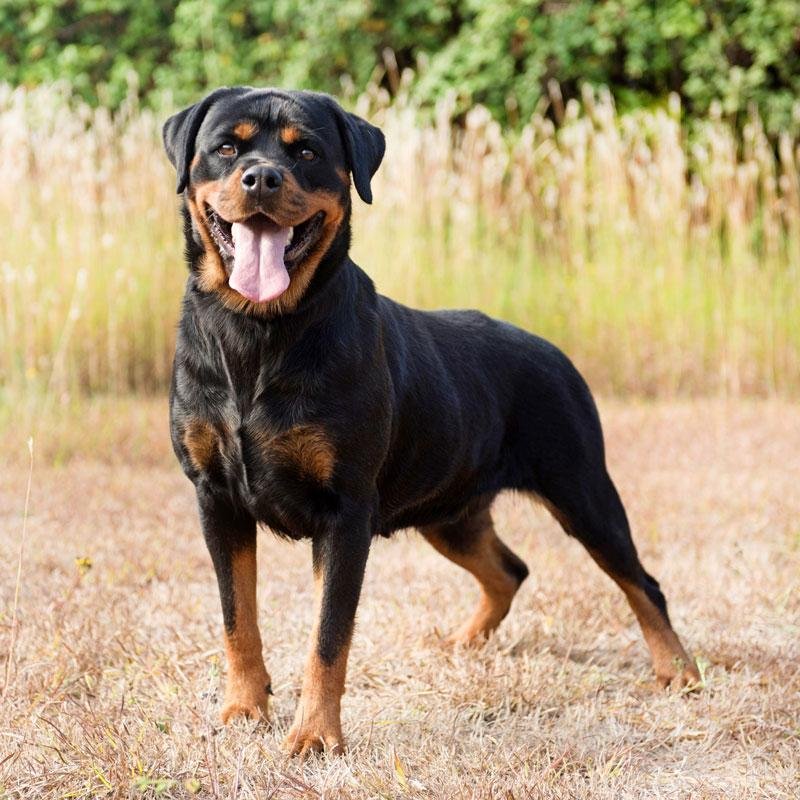
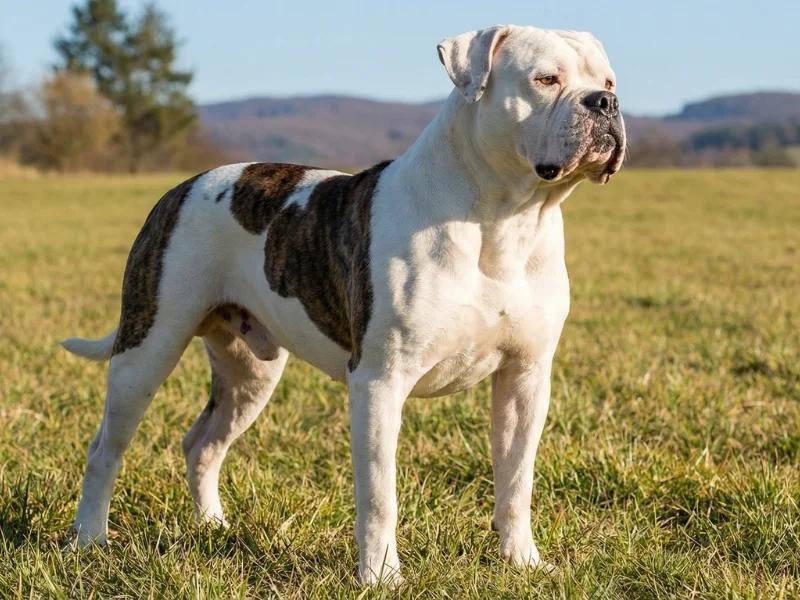
Both are powerful, muscular, confident breeds with a history of working alongside humans. However, they were developed for somewhat different jobs, which affects their strength, athleticism, temperament, train ability, and health.
My short verdict: The Rottweiler generally has the edge in structured obedience, working versatility, and disciplined protection work. The American Bulldog can have the edge in explosive athleticism, agility, and certain forms of physical work. Neither breed is automatically stronger in every situation, and a dog’s training, health, genetics, and individual temperament matter enormously.
Let’s compare them category by category.
Size, strength, and physical build
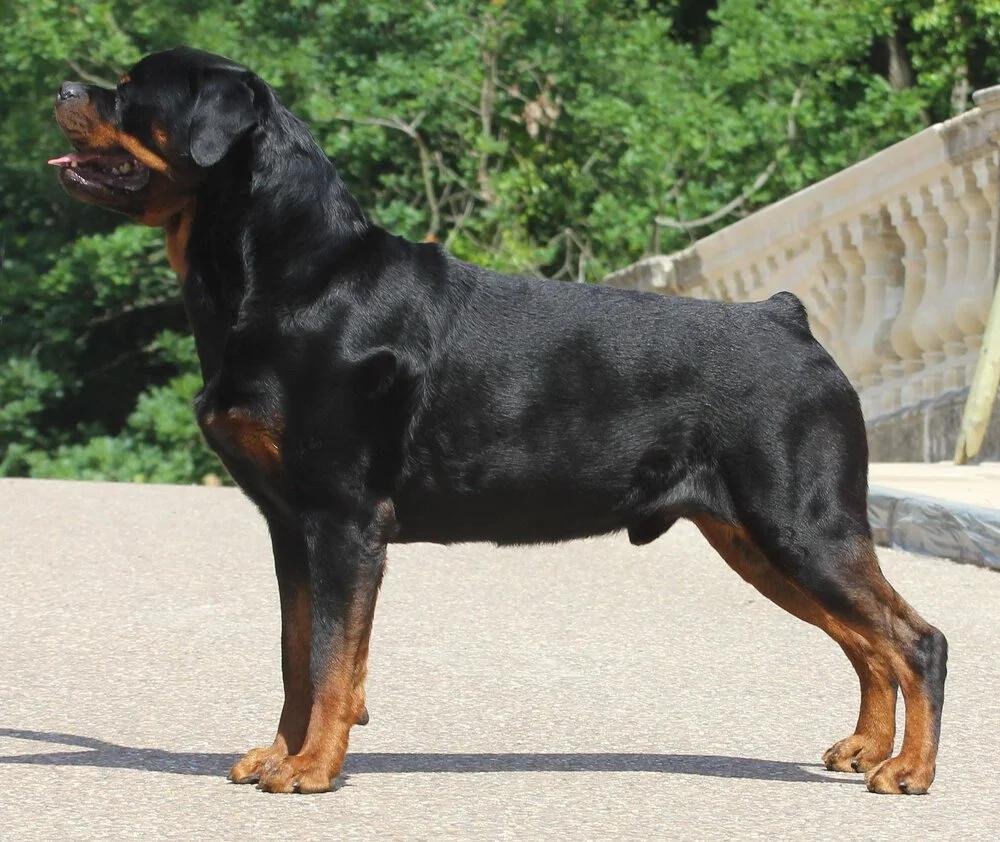
Rottweiler
- Typical male weight: 95–135 lb (43–61 kg), with variation.
- Typical male height: 24–27 inches (61–69 cm).
- Broad skull, deep chest, heavy bone structure, and powerful hindquarters.
- Built for livestock work, pulling, guarding, and sustained working tasks.
- Often has a heavier, more substantial overall frame.
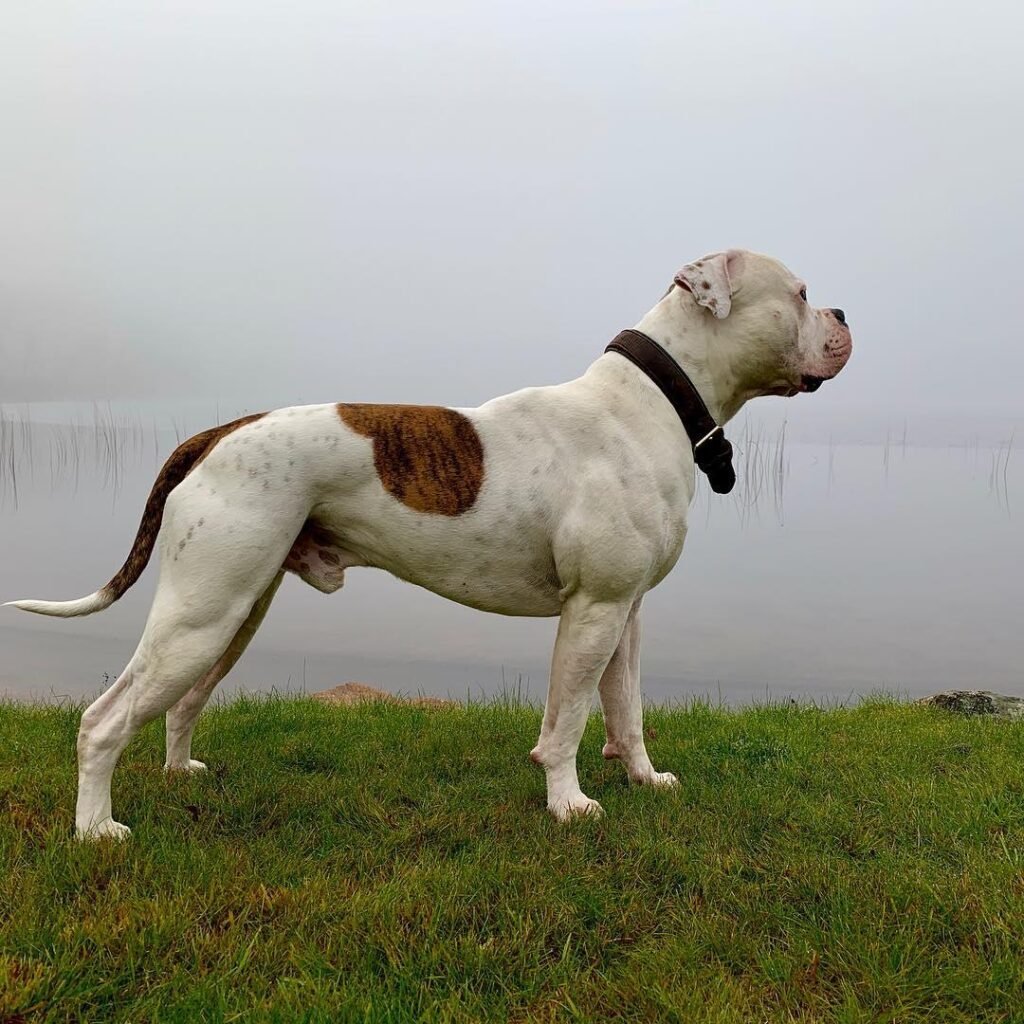
American Bulldog
- Typical male weight: roughly 75–120 lb (34–54 kg), depending on type.
- Typical male height: approximately 22–27 inches (56–69 cm).
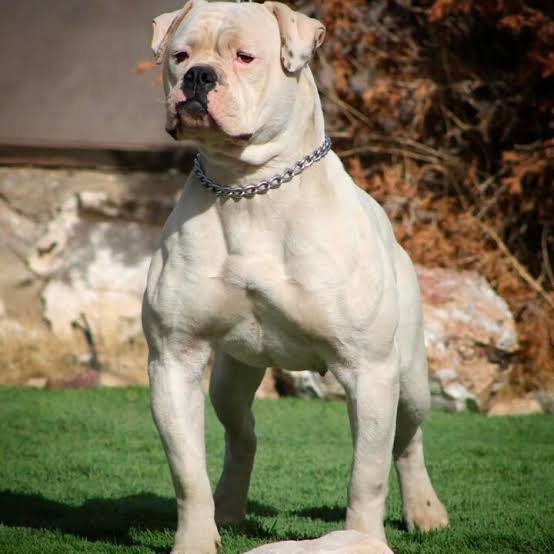
- Broad shoulders, muscular neck, strong legs, and a compact, powerful body.
- Developed for farm work, including catching and controlling livestock.
- Some lines are stockier and heavier; others are leaner and more athletic.
Winner for raw mass: usually the Rottweiler.
A large, well-conditioned Rottweiler will often have more body mass and a heavier frame. But a muscular American Bulldog can be extremely strong for its size. Weight alone doesn’t establish functional strength, and neither breed is guaranteed to outperform the other.
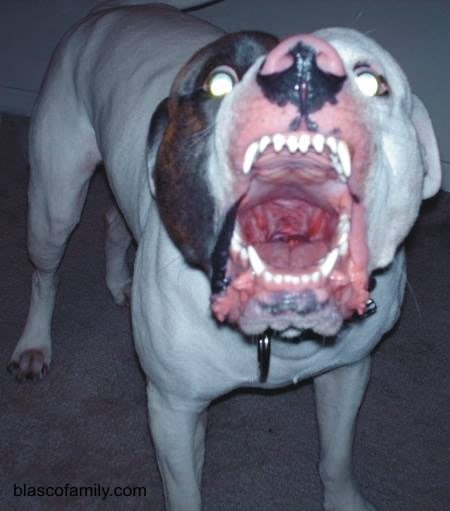
Bite force: which has the stronger bite?
This is one of the most discussed comparisons, and also one of the most misunderstood.
| Factor | Rottweiler | American Bulldog |
|---|---|---|
| Jaw and head | Broad, robust skull and powerful jaw muscles | Broad skull, strong jaw muscles, often a shorter muzzle |
| Bite capability | Powerful; substantial individual variation | Powerful; substantial individual variation |
| Reliable breed-specific PSI | Not firmly established | Not firmly established |
| What affects a bite | Size, anatomy, motivation, and individual variation | Size, anatomy, motivation, and individual variation |
You may encounter online claims that Rottweilers bite at around 328 PSI, while American Bulldogs reach 305 PSI, or that one breed exceeds the other by a specific amount.
Those figures should not be treated as scientifically established breed rankings. There is no sufficiently standardized, reliable body of direct testing that lets us confidently declare a definitive PSI winner between these two breeds. Bite measurements vary with the measurement method, the dog, and the circumstances.
Also, bite force is not the same as overall fighting ability. Jaw mechanics, grip, body mass, conditioning, motivation, and behavior all influence how a dog performs.
Verdict: Both have powerful bites. There isn’t enough reliable comparative evidence to award a scientifically defensible bite-force winner.

Intelligence and train ability 🧠
Both breeds are intelligent, but intelligence isn’t just one ability. It includes learning commands, remembering routines, solving problems, reading human cues, and making independent decisions.
Rottweiler advantages
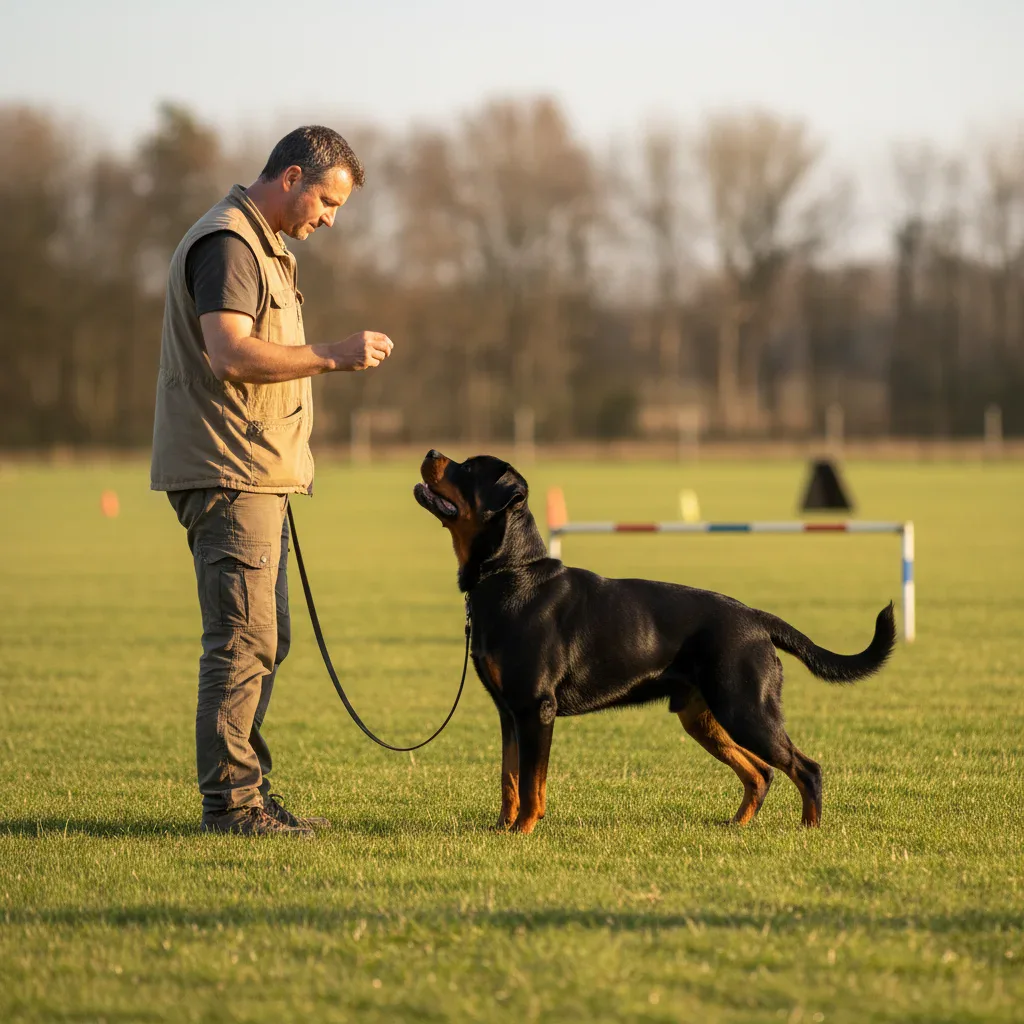
- Often excels at obedience, tracking, and structured working tasks.
- Usually responds well to consistent training with clear expectations.
- Has a long history of performing jobs that require cooperation with a handler.
- Can be independent-minded, especially when training is inconsistent.
American Bulldog advantages
- Learns practical tasks and physical routines quickly.
- Can be confident, persistent, and resourceful.
- May be more inclined to make its own decisions rather than repeatedly look to its handler.
- Can be strong-willed, making consistent boundaries important.
| Intelligence category | Likely advantage |
|---|---|
| Structured obedience | Rottweiler |
| Formal working versatility | Rottweiler |
| Independent persistence | American Bulldog can excel |
| Physical problem-solving | Both |
| Overall intelligence | No definitive winner |
The Rottweiler’s reputation for train ability doesn’t mean every Rottweiler is smarter than every American Bulldog. Breeding lines, motivation, and the dog’s experience can change the outcome substantially. The American Kennel Club describes both as capable working dogs that need early training and mental stimulation.
Athleticism, speed, agility, and endurance
American Bulldog — explosive athlete
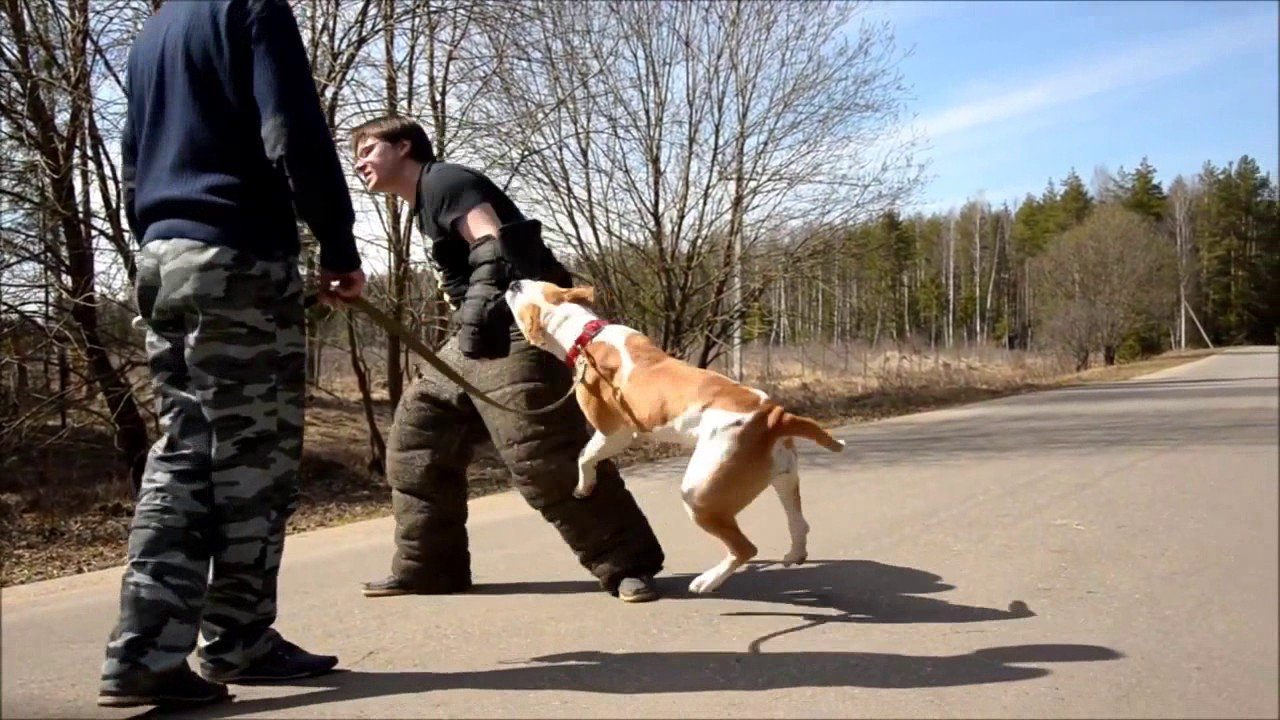
- Often excels at acceleration, jumping, sprinting, and powerful bursts of movement.
- Athletic working lines can be remarkably agile for a muscular dog.
- Particularly suited to active games, hiking, and supervised conditioning.
- Stamina varies by build; a very heavy dog may not be as agile as a leaner one.
Rottweiler — powerful all-rounder
- Strong, efficient movement and substantial pulling power.
- Well suited to tracking, obedience, hiking, and other working activities.
- Can have impressive endurance when properly conditioned.
- Its heavier build may make repeated sharp turns and high-impact jumping less suitable than for a lighter dog.
| Athletic event | Likely advantage |
|---|---|
| Short explosive acceleration | American Bulldog, depending on type |
| Vertical jumping | American Bulldog often has an edge |
| Agility and quick changes of direction | Lean, athletic American Bulldog |
| Sustained controlled working tasks | Rottweiler often excels |
| Pulling and heavy physical work | Rottweiler often has an edge |
| Hiking and general fitness | Both |
These are tendencies, not measured head-to-head results. There is no universal breed winner for speed or endurance, and individual conditioning can outweigh breed averages. The American Kennel Club describes the American Bulldog as an athletic breed with strength, endurance, and agility, while the Rottweiler standard emphasizes strength, agility, and endurance.
Dog Breed Information
Athleticism verdict: For explosive movement and jumping, I’d lean toward the American Bulldog. For a combination of power, controlled work, and endurance, I’d lean toward the Rottweiler.
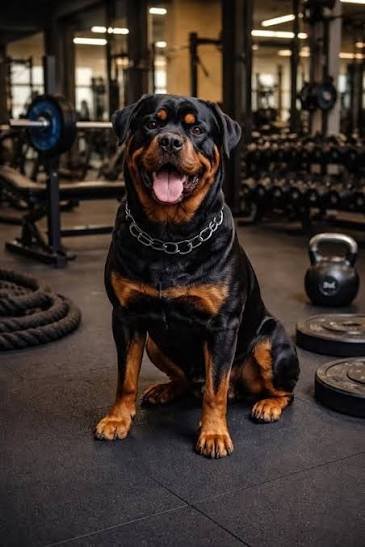
Lifespan: which lives longer?
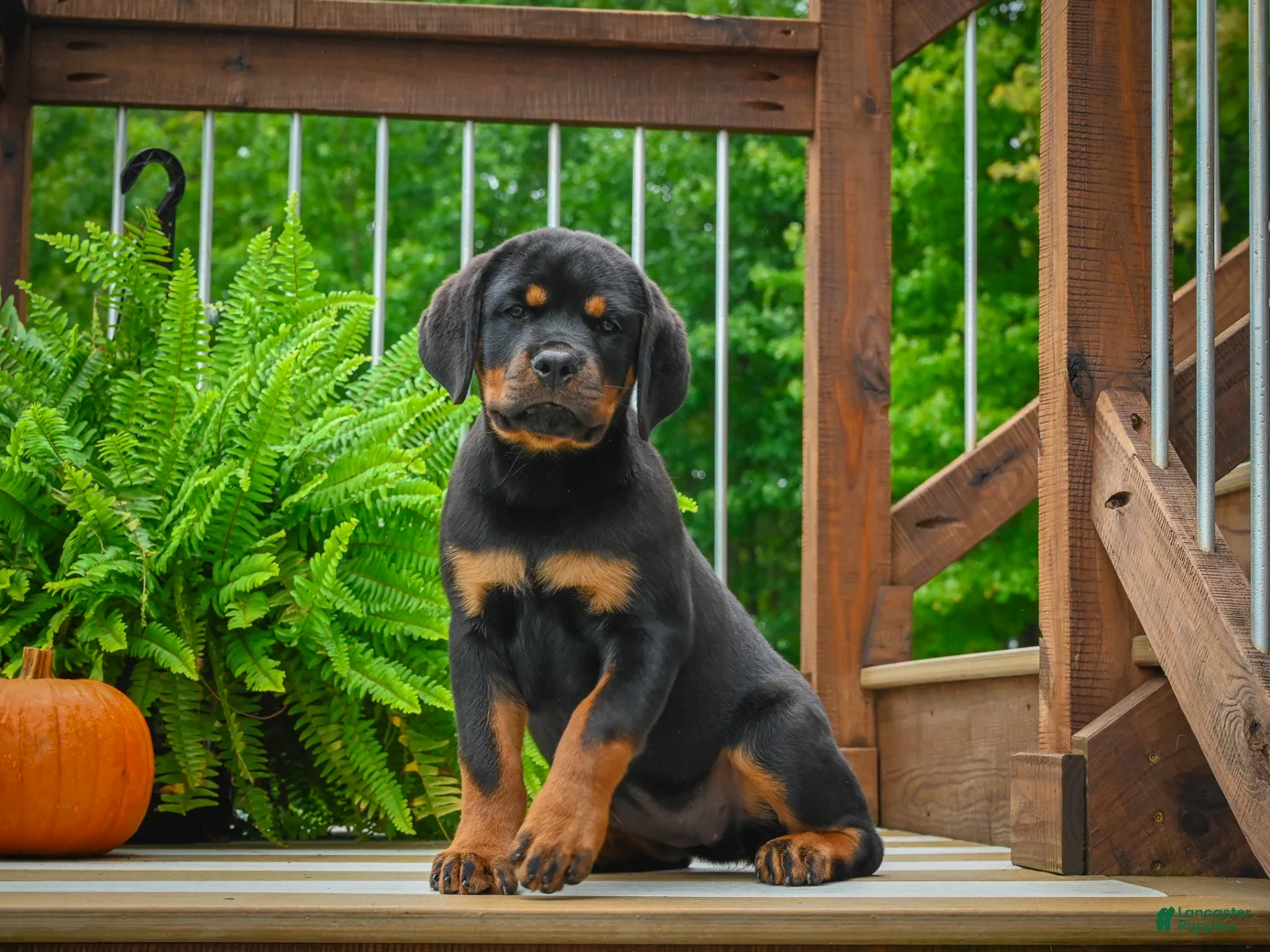
Rottweiler
9–10 years
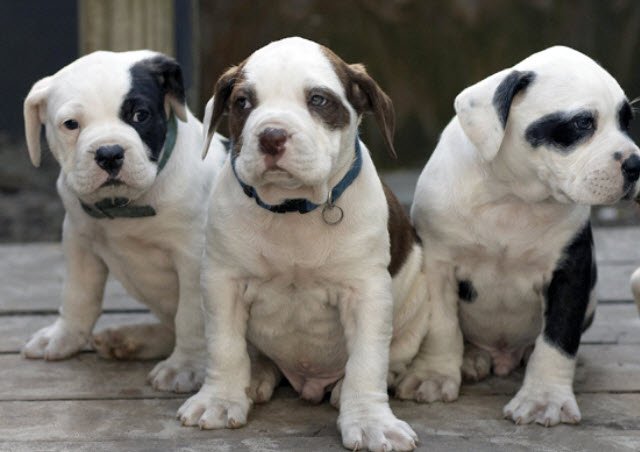
American Bulldog
About 10–12 years
Approximate breed-level expectations, not a prediction for an individual dog. Published estimates vary by source and population.
Likely winner: American Bulldog.
American Bulldogs are often reported to live somewhat longer than Rottweilers, although individual dogs can fall outside either range. The Rottweiler’s typical life expectancy is 9–10 years according to the American Kennel Club.
The biggest factors you can influence include:
- Maintaining a healthy body weight.
- Feeding a balanced diet appropriate for the dog’s age.
- Regular veterinary examinations and dental care.
- Avoiding excessive impact while a puppy is still growing.
- Choosing a breeder who screens for inherited diseases.
A lean, healthy Rottweiler can outlive an American Bulldog with serious inherited or weight-related problems, so lifespan estimates should never be taken as guarantees.
Health: which breed is healthier?
Both can be healthy, robust dogs, but their size, genetics, and body structure create different risks.
Rottweiler: key concerns
- Hip and elbow dysplasia: Can cause pain, arthritis, and mobility problems.
- Cancer: Osteosarcoma and other cancers are important breed health concerns.
- Heart disease: Some inherited cardiac conditions occur.
- Eye and neurological disorders: Several inherited conditions warrant screening.
Responsible breeders should provide relevant hip, elbow, cardiac, eye, and genetic test results.
American Bulldog: key concerns
- Hip and elbow dyspepsia: Joint structure and inherited risk matter.
- Knee and other orthopedic injuries: Particularly relevant for active, heavy dogs.
- Skin allergies and irritation: Can affect some individuals.
- Inherited conditions: Risks vary among bloodlines, so appropriate screening matters.
Hip and elbow evaluations are particularly important when assessing breeding dogs.
Which is healthier overall?
I’d give the American Bulldog a tentative edge in expected lifespan, but I wouldn’t confidently call it healthier overall. A healthy Rottweiler from well-screened lines may be a better choice than an American Bulldog from poorly selected breeding lines.
For either breed, ask to see actual health-screening results rather than relying on statements such as “vet checked” or “100% healthy.”
Temperament, loyalty, and protection
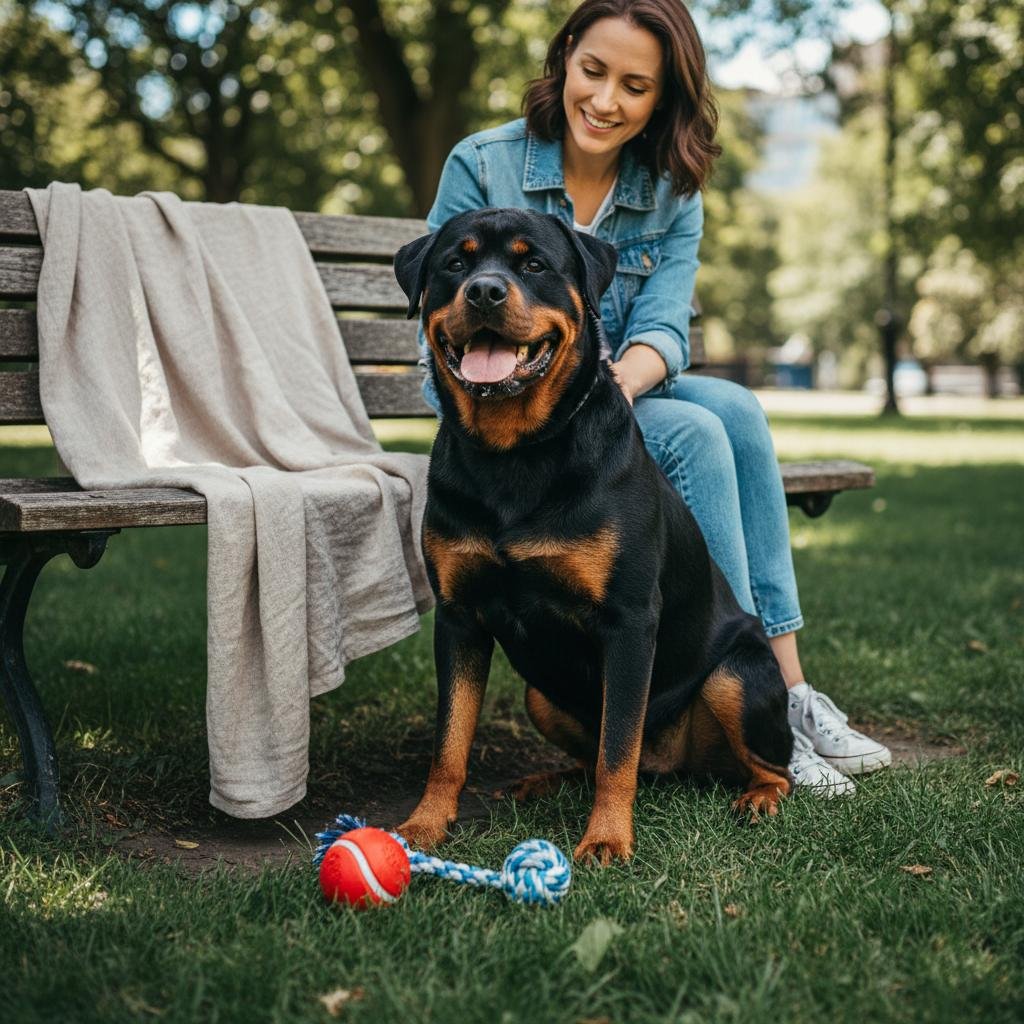
Rottweiler
Often calm, confident, watchful, and deeply attached to its family. May be reserved around strangers and needs thoughtful socialization.
American Bulldog
Often affectionate, energetic, confident, playful, and persistent. Needs clear boundaries and early socialization, particularly around other dogs.

Both can make loyal companions, but neither should be selected simply because it looks intimidating.
- Protection and handler-directed work: I’d lean toward the Rottweiler because of its established working versatility and train ability.
- Playfulness and physical enthusiasm: Many American Bulldogs are exuberant, athletic companions.
- Family life: Either can do well with responsible ownership. Temperament, upbringing, supervision, and compatibility with children or other pets matter more than stereotypes.
- Dog-to-dog compatibility: Neither breed is guaranteed to get along with every dog. Introductions and management are important, especially with large, powerful adults.
The Rottweiler’s breed standard describes a confident, courageous, adaptable working dog with protective instincts. The American Bulldog is described as a strong, athletic farm dog and companion.
The head-to-head scorecard
These are my practical assessments of typical breed tendencies, not results from standardized competitions.
| Category | My pick | Confidence |
|---|---|---|
| Raw body mass | Rottweiler | Moderate |
| Bite force | No clear winner | Low |
| Structured obedience | Rottweiler | Moderate |
| Explosive athleticism | American Bulldog | Moderate |
| Jumping ability | American Bulldog | Moderate |
| Pulling and heavy work | Rottweiler | Moderate |
| Working versatility | Rottweiler | Moderate |
| Expected lifespan | American Bulldog | Moderate |
| Overall health | No clear winner | Low |
| Protection training | Rottweiler | Moderate |
| Affection and loyalty | Both | High |
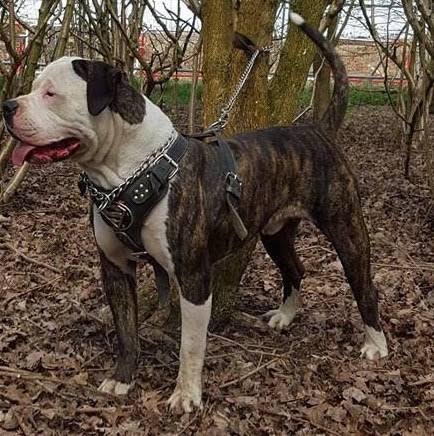
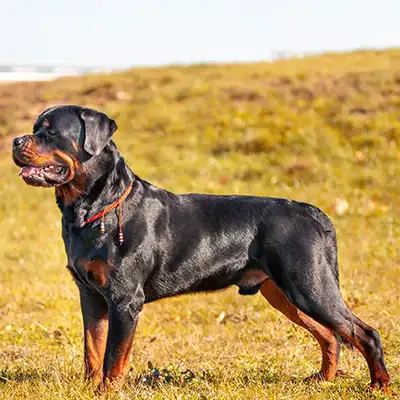
Who would win between these amazing breeds?
If you mean a hypothetical one-on-one fight, there is no reliable way to predict a winner from breed alone. I wouldn’t stage or encourage a fight to find out.
Here’s how I’d break down the comparison without pretending there’s a scientific answer:
- If the Rottweiler is significantly larger: Its extra mass may be an advantage in some physical situations.
- If the American Bulldog is leaner and more athletic: Its acceleration and agility could be advantageous in other situations.
- If one dog is fitter or healthier: That can substantially change physical performance.
- If one dog has a different temperament or experience: That further complicates any prediction.
Bite force, muscle size, intelligence, and speed cannot be combined into a reliable formula for predicting the outcome of a fight. Both dogs can suffer catastrophic injuries, even if one appears to have a physical advantage.
If you mean which breed is the more capable working dog, my answer is more straightforward: the Rottweiler has the stronger case for structured obedience and versatile handler-directed work, while the American Bulldog has an excellent case for explosive athleticism and practical farm work.
My final verdict
If I had to choose an all-around working breed based on the characteristics you’ve asked about, I’d give the Rottweiler the overall edge for working versatility, structured trainability, and controlled protection work.
But if your priority is athletic movement, explosive power, and jumping, I’d lean toward the American Bulldog.
Neither is universally superior. A well-bred, healthy, well-trained American Bulldog can outperform an individual Rottweiler in many activities, and vice versa.
One question for you: When you ask who would win, do you mean a physical fight, overall strength, protection ability, or athletic performance? That distinction makes a big difference in the comparison.
Leave a Reply