
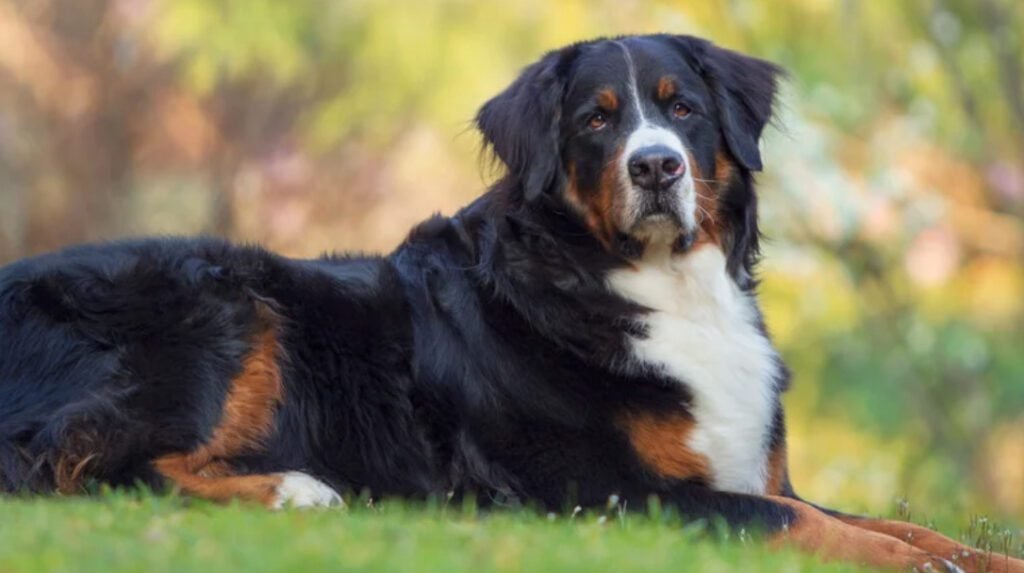
If you’re looking for a large, lovable family dog, the Bernese Mountain Dog might just steal your heart. With their striking tri-colored coats, calm temperament, and loyal nature, these dogs are as beautiful as they are gentle. In this blog post, we’ll cover everything you need to know about Bernese Mountain Dogs—including basic breed info, personality traits, diet, grooming, and a helpful weight and height chart.
Basic Information: What is a Bernese Mountain Dog?
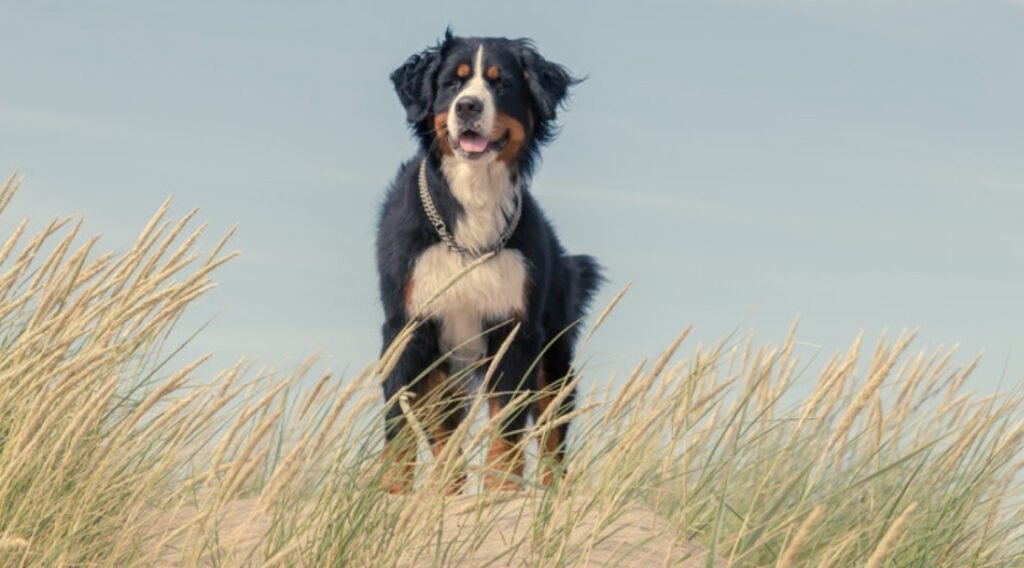
The Bernese Mountain Dog, also known as the Berner, hails from Switzerland where they were originally bred as working dogs for farms. These dogs are part of the Swiss Mountain Dog group and are well-known for their strength, intelligence, and affectionate nature.
- Breed Group: Working Group
- Origin: Switzerland
- Life Expectancy: 7–10 years
- Coat: Thick, long double coat; tricolor (black, white, and rust)
Bernese Mountain Dog Temperament
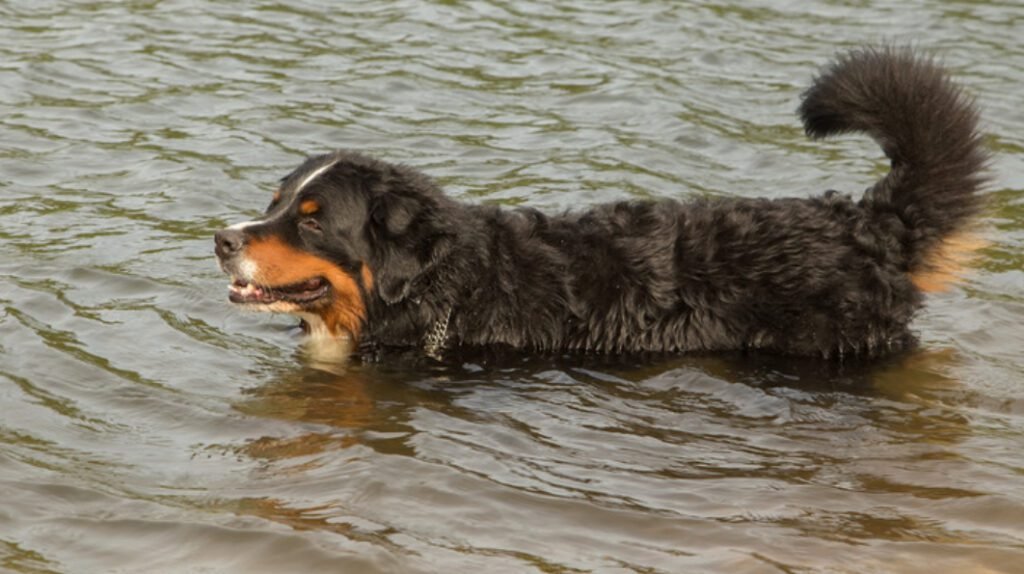
Berners are known for their gentle and calm demeanor. They are incredibly affectionate with family members and tend to be good with children and other pets.
Key personality traits:
- Loyal and devoted
- Easygoing
- Gentle with kids
- Protective but not aggressive
- Eager to please and trainable
They thrive in homes where they receive plenty of attention, love, and space to roam.
Diet and Nutrition for a Bernese Mountain Dog

Feeding a Bernese Mountain Dog the right diet is crucial due to their large size and susceptibility to certain health issues. A high-quality, protein-rich dog food is essential.
Nutritional guidelines:
- Protein content should be around 22–26%
- Healthy fats (10–15%) for coat and joint health
- Omega-3s for anti-inflammatory support
- Joint-supporting supplements (glucosamine, chondroitin)
Feeding schedule:
- Puppies: 3–4 meals/day
- Adults: 2 meals/day
Avoid overfeeding, as Berners are prone to bloat and joint problems if they gain excess weight.
Common Health Issues in Bernese Mountain Dogs
Unfortunately, Bernese Mountain Dogs are prone to some serious health concerns. Responsible breeding and early screening are essential.
Common health issues:
- Hip and elbow dysplasia
- Bloat (gastric torsion)
- Cancer (especially histiocytic sarcoma)
- Progressive Retinal Atrophy (PRA)
- Degenerative Myelopathy
Regular vet checkups and a healthy diet can help reduce the risk of these issues.
Bernese Mountain Dog Puppies
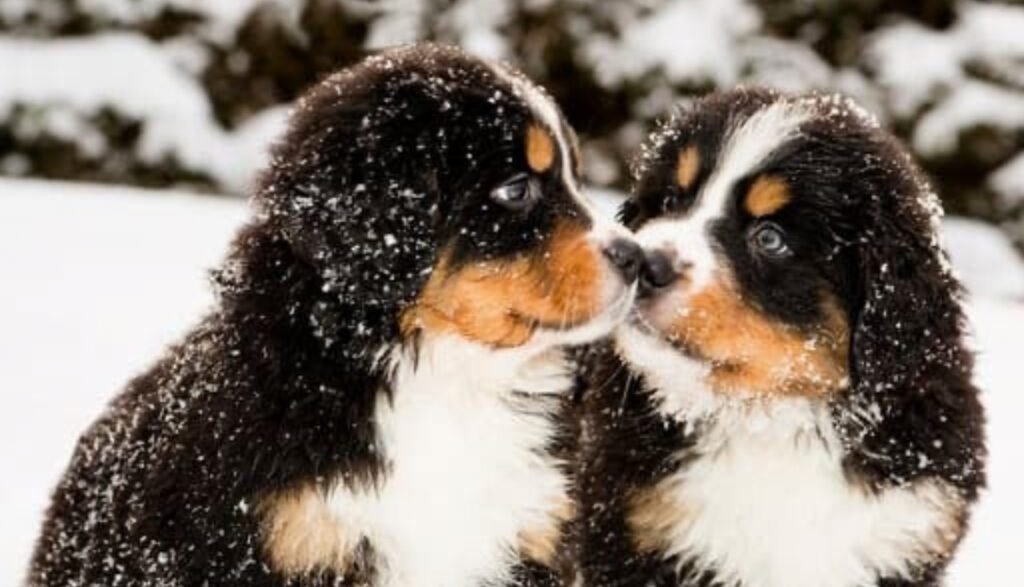
Bringing home a Berner puppy is an exciting experience! These pups are fluffy, curious, and full of energy. Start early socialization and positive reinforcement training from day one.
Tips for raising a Bernese puppy:
- Socialize early with people and pets
- Use gentle, consistent training methods
- Invest in quality chew toys (they teethe heavily)
- Crate train for safety and structure
Always purchase from a reputable breeder who provides health clearances.
Grooming Needs
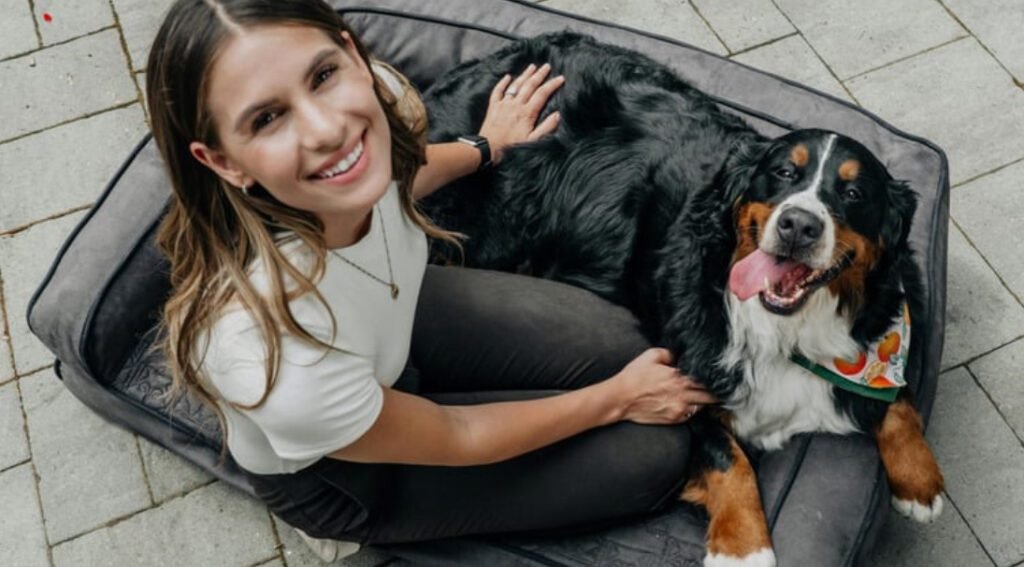
With their beautiful thick coats, Berners need consistent grooming.
Grooming tips:
- Brush 2–3 times per week (daily during shedding seasons)
- Bathe every 1–2 months
- Clean ears weekly
- Trim nails regularly
- Check for mats behind ears and in feathering
Routine grooming keeps their coats healthy and helps manage shedding.
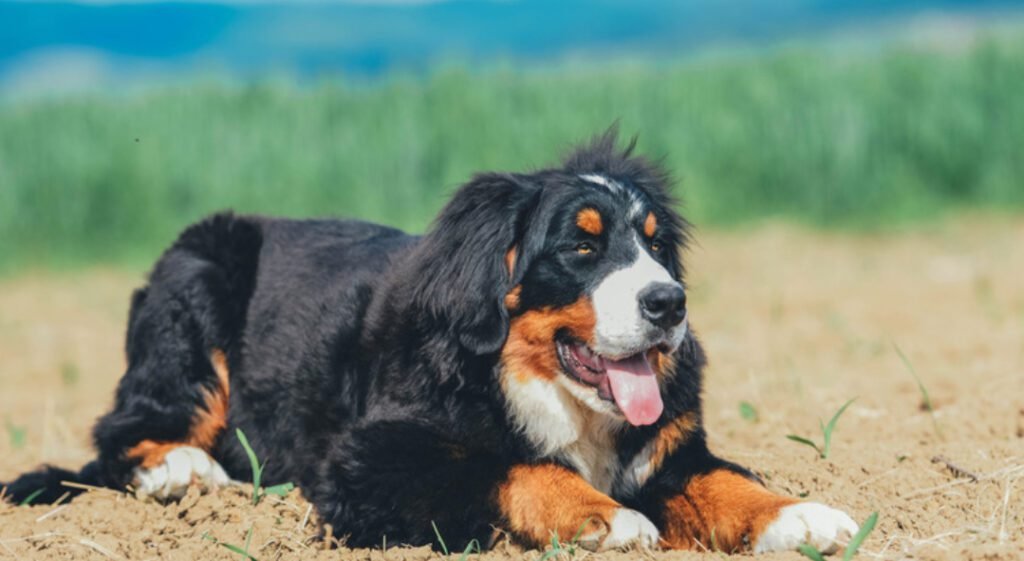
Bernese Mountain Dog Size: Weight & Height Chart
| Age | Weight (Male) | Weight (Female) | Height (Male) | Height (Female) |
|---|---|---|---|---|
| 3 months | 35–45 lbs | 30–40 lbs | 14–17 in | 13–16 in |
| 6 months | 65–75 lbs | 55–65 lbs | 20–23 in | 18–21 in |
| 12 months | 85–100 lbs | 75–90 lbs | 24–27 in | 23–26 in |
| Adult | 100–115 lbs | 80–100 lbs | 25–28 in | 23–26 in |
Keep in mind, every dog is unique and may grow at a different pace.
Conclusion: Is a Bernese Mountain Dog Right for You?
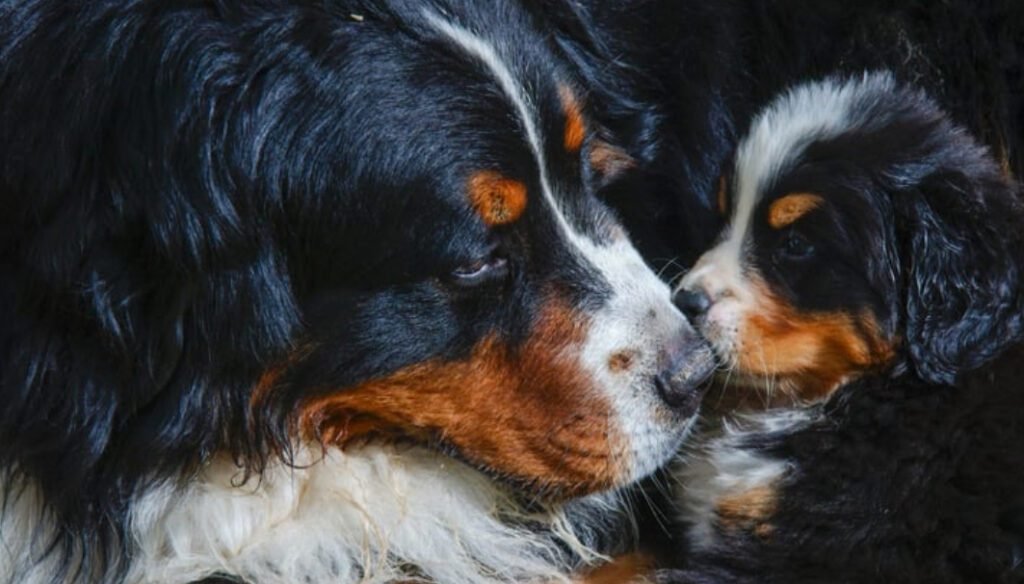
The Bernese Mountain Dog is a gentle, loyal companion best suited for families who can provide them with time, space, and love. Their affectionate nature and majestic appearance make them an ideal large breed dog for the right home. With proper care, training, and love, a Berner will be a devoted friend for life.
Leave a Reply