
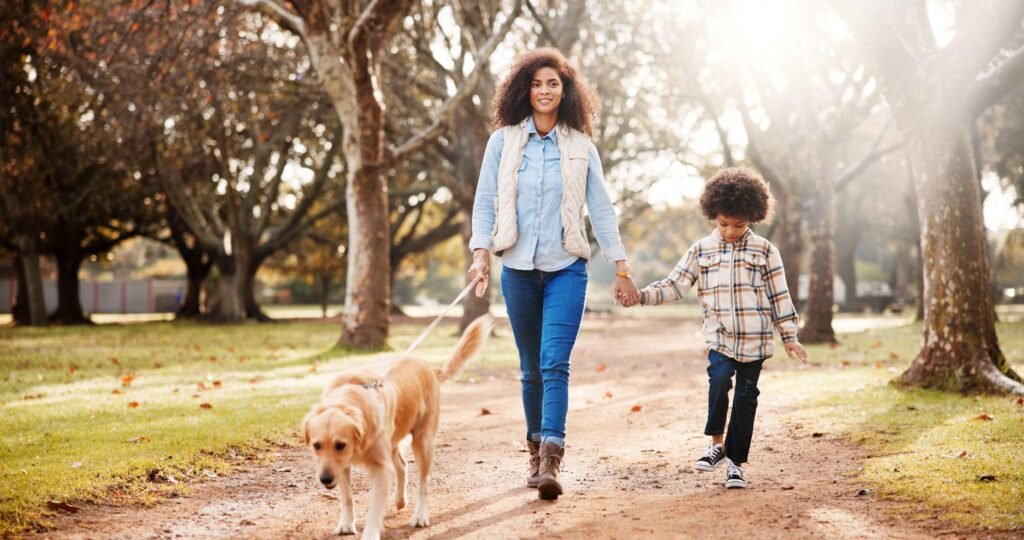
1. Dogs Teach Children Responsibility
Growing up with a dog can help children understand the importance of responsibility from an early age. Simple activities, such as filling a dog’s water bowl, helping with feeding time, brushing its coat, or putting away its toys, teach children that another living being depends on them.
These small daily tasks can help children develop discipline, patience, and a sense of accomplishment. They begin to understand that caring for a pet involves commitment, not just playtime. With guidance from adults, children can learn that being responsible means showing up every day, even when it is not convenient.
Why it matters: Learning to care for a dog can help children develop habits of responsibility that they may carry into school, friendships, and adulthood.
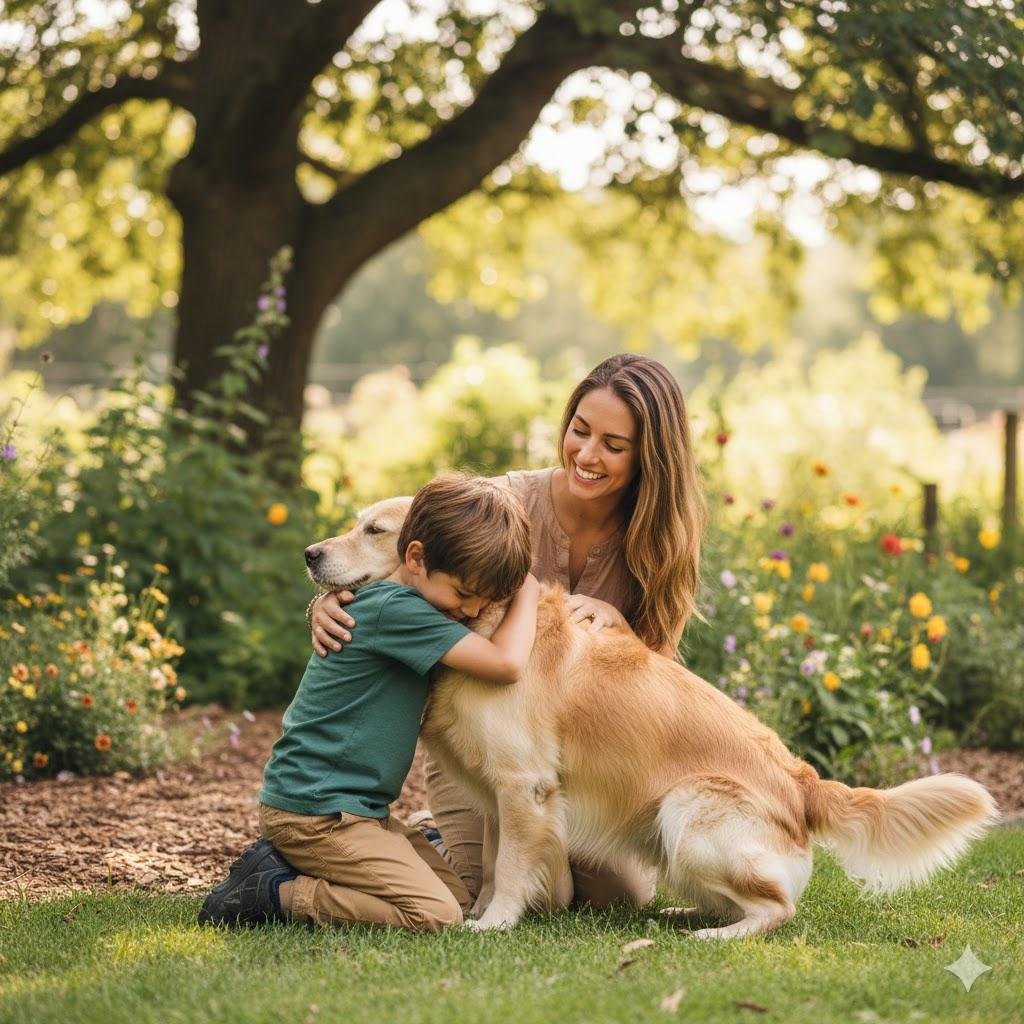
2. Dogs Support Emotional Well-Being
Dogs have a special way of making people feel loved and accepted. For children, having a dog nearby can provide comfort during difficult days, whether they are feeling sad, nervous, lonely, or overwhelmed. A gentle cuddle, a wagging tail, or a playful greeting can help brighten a child’s mood and make home feel like a safe, welcoming place.
Unlike human relationships, which sometimes involve disagreements or complicated social situations, a dog’s companionship can offer a comforting sense of connection without the pressure to explain every feeling. Caring for and spending time with a pet may also help children learn to recognize and express their emotions.
Why it matters: A loving relationship with a dog can provide emotional comfort and companionship, although it does not replace support from parents, trusted adults, or mental health professionals when needed.
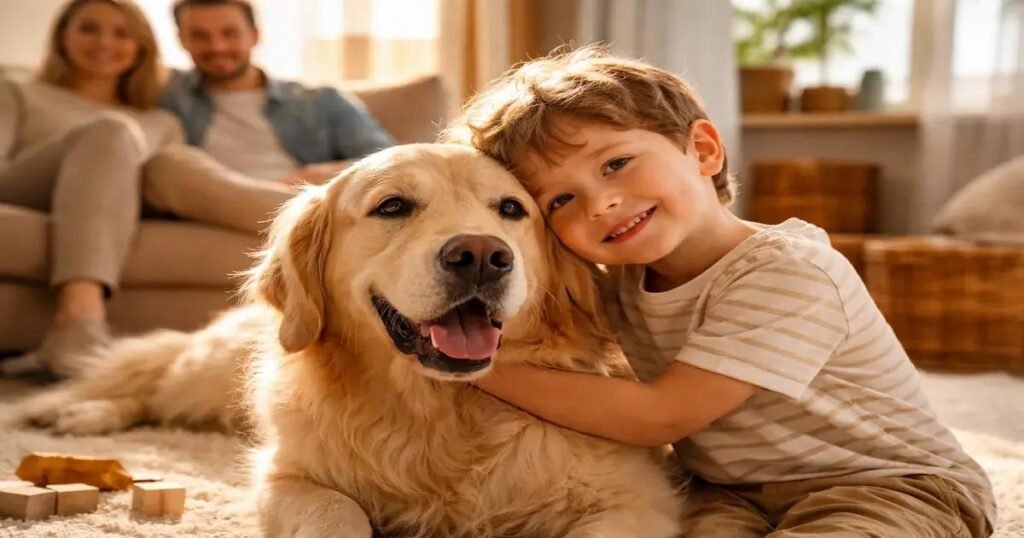
3. Dogs Help Children Develop Empathy and Kindness
One of the most valuable lessons a dog can teach a child is how to care about another living being. Children gradually learn that dogs have feelings, needs, and boundaries of their own. A dog may need rest, feel frightened by loud noises, or prefer gentle touches instead of rough play.
By learning to recognize these signals, children can become more thoughtful and considerate. They discover that kindness is not only about being nice when it is easy; it also means respecting others, being gentle, and understanding that everyone has different needs.
Why it matters: Interacting respectfully with a dog can help children practice empathy, compassion, and patience—qualities that are important for building healthy relationships with people, too.
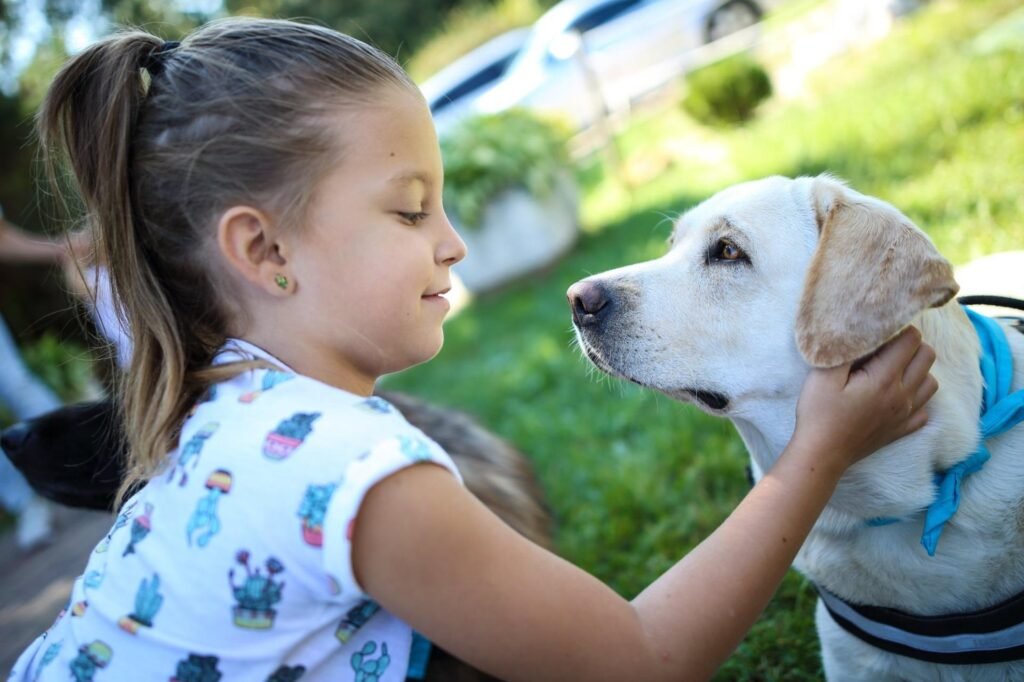
4. Dogs Encourage Physical Activity and Outdoor Play
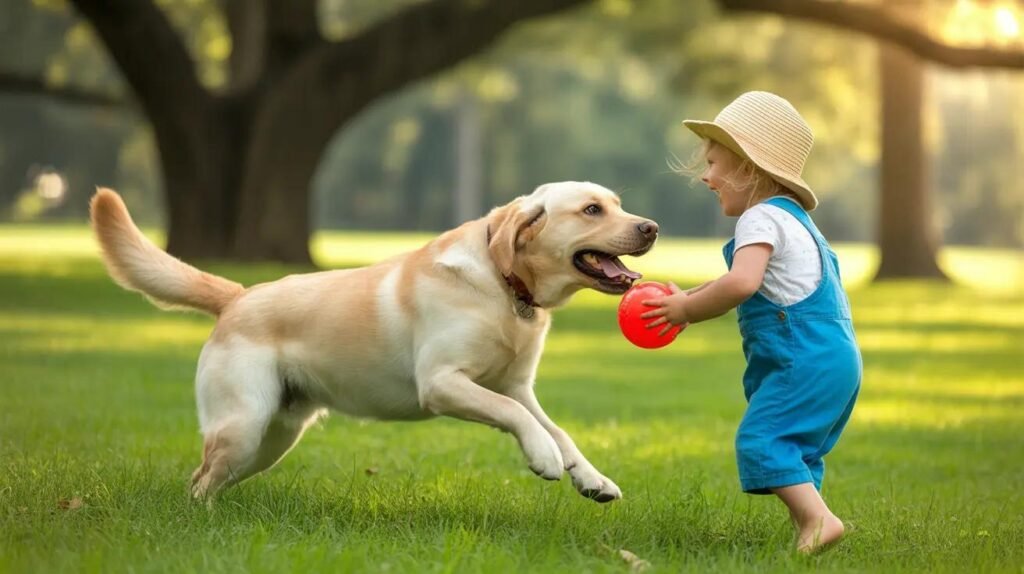
In a world where children often spend hours using screens, having a dog can create more opportunities to move, play, and explore outdoors. Walking with a dog, playing fetch, practicing simple training games, or spending time together in the backyard can turn everyday activities into enjoyable experiences.
These activities encourage movement and can help children build coordination while developing an appreciation for nature. They can also create a healthy daily routine that gives children something exciting to look forward to.
Why it matters: When appropriate for the child’s age and the dog’s needs, shared activities can encourage an active lifestyle, outdoor exploration, and enjoyable family time. Adults should supervise walks and outdoor play, especially with younger children.
5. Dogs Build Confidence and Create Lifelong Memories
Growing up with a dog can give children countless opportunities to feel capable, valued, and loved. Teaching a dog a simple command, helping with its care, or learning how to approach it gently can give a child a sense of achievement. Over time, the trust that develops between a child and a dog may help the child feel more confident in their ability to care for others and handle new responsibilities.
Dogs can also become an important part of childhood memories: playing together after school, celebrating birthdays, enjoying family trips, and curling up together during quiet evenings. These shared experiences can become treasured memories that children carry with them long after they grow up.
Why it matters: A positive relationship with a dog can give children opportunities to practice confidence, build connection, and experience the joy of having a loyal companion throughout childhood.
Final Thoughts: A Dog Can Be More Than a Pet
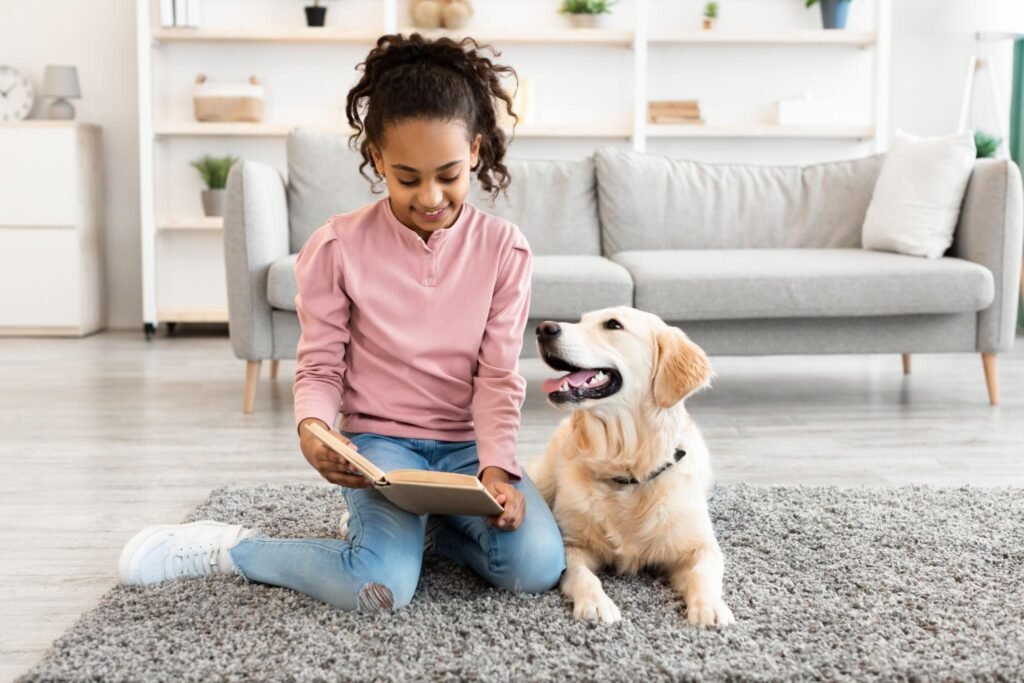
Growing up with a dog can be a beautiful journey filled with love, learning, and companionship. From teaching responsibility and empathy to encouraging physical activity and emotional connection, dogs can play a meaningful role in a child’s life.
However, every dog has its own personality, and every child has different needs. Parents should choose a dog that suits their family’s lifestyle, teach children to respect the animal’s boundaries, and supervise interactions. Adults must remain responsible for the dog’s overall care.
Ultimately, the greatest gift of growing up with a dog is learning that love is something we show through our actions—through kindness, patience, trust, and caring for another living being. Those lessons can stay with a child for a lifetime.
Leave a Reply